How Rain, Heat, Cold, and Sun Wear Down Paved Surfaces Over Time
Weather can break down asphalt faster than many people expect. Heat can soften it, cold can make it crack, water can seep in, and sun can dry out the surface. The best way to protect asphalt is with routine care, fast repairs, good drainage, and timely sealing. In places like Cocoa, FL, changing seasons can speed up wear if small problems are left alone.
Why Prevention Matters
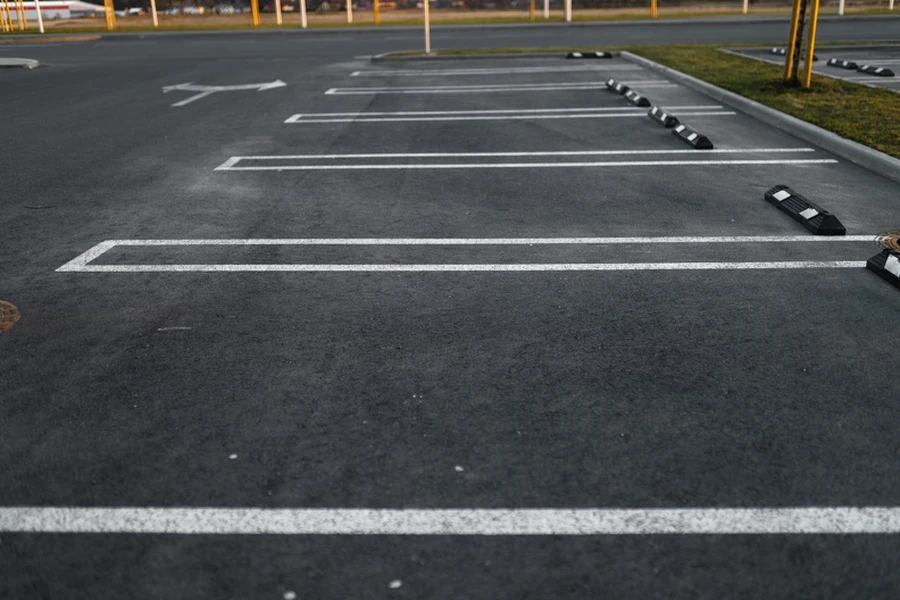
Asphalt takes a lot of stress every day. Cars, trucks, sun, rain, and freezing nights all add damage little by little. A small crack may not seem like much at first. Still, once water gets below the surface, the problem can grow fast. That is why prevention matters. It helps property owners avoid bigger repairs, rough driving areas, and faded markings that are harder to see.
Regular upkeep also helps parking lot striping last longer. When the pavement stays smoother and drier, painted lines tend to hold up better. This creates a cleaner look and can help drivers and walkers move through the area more safely.
Early Warning Signs
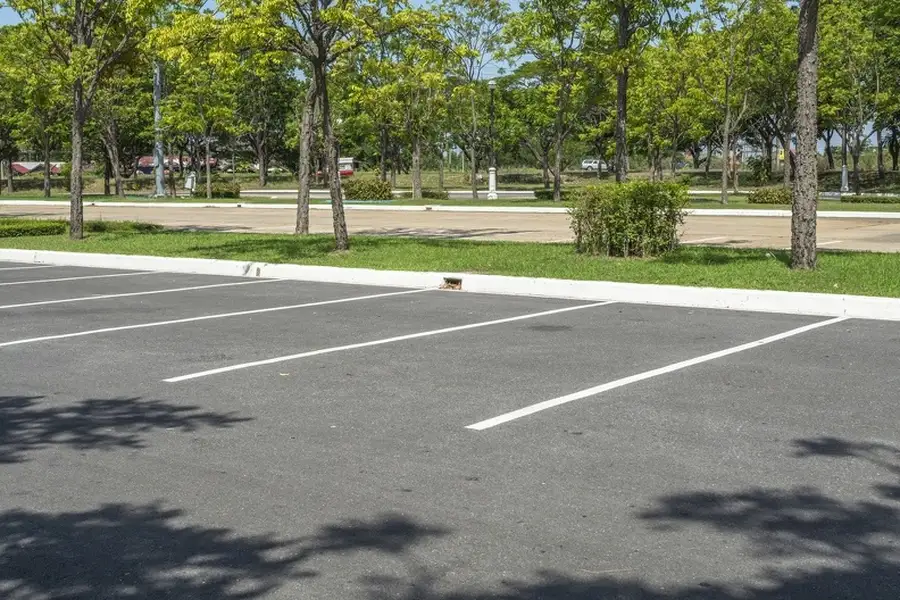
Weather damage does not always start with a big pothole. In many cases, the first signs are easy to miss. Spotting them early can save time and money later.
- Small surface cracks
- Gray or faded color from sun exposure
- Water puddles that stay after rain
- Loose gravel on the surface
- Edges that start to break apart
- Dip spots where cars often park or turn
If these signs are ignored, the surface can weaken more with each storm or hot day. That can also affect line visibility, which may lead to a need for fresh parking lot striping sooner than expected.
Seasonal or Routine Checklist
A simple care plan through the year can help asphalt handle changing weather better. Different seasons bring different risks, so routine checks are a smart move.
- Inspect the surface for cracks every few months.
- Clear leaves, trash, and dirt from drains and low spots.
- Check for standing water after a rainstorm.
- Repair small cracks before cold weather arrives.
- Sealcoat the pavement when the surface shows age and wear.
- Refresh faded markings with parking lot striping as needed.
- Watch heavy traffic areas for early rutting or soft spots.
Even if the service category keyword is not listed here, a full pavement maintenance plan often includes surface repair, sealing, drainage review, and line marking. Each part works together to help the asphalt last longer.
Best Practices for Long-Term Results
One of the best ways to protect asphalt is to keep water moving away from it. Water is one of the biggest causes of damage. If it sits on the surface, it can slowly work into cracks and weak spots. If it freezes, it expands and pushes the asphalt apart.
Sealcoating can also help by adding a protective layer against sun, moisture, and vehicle fluids. This does not fix major damage, but it can slow wear on pavement that is still in fair shape. Good timing matters. If sealing is done too late, hidden damage may already be growing below the top layer.
Traffic control is another smart step. Heavy trucks, tight turning movements, and repeated parking in the same spots can wear asphalt faster. Strong layout planning and clear parking lot striping can guide traffic better and reduce extra stress on the surface.
What Not to Do
Some common choices can make weather damage worse. One mistake is waiting too long to repair cracks. Another is sealing over pavement that already has deep damage. That may hide the issue for a short time, but it will not stop it.
It is also a bad idea to ignore drainage problems. If puddles keep showing up in the same place, the surface may need grading, patching, or another fix. Snow and ice removal should be done with care too. Harsh plow contact can scrape the surface and wear down painted lines.
Cheap paint or poor prep work can also reduce the life of parking lot striping. If the pavement is dirty, wet, or crumbling, fresh lines may not bond well and can fade sooner.
When to Schedule Professional Help
Some asphalt problems are simple to spot but hard to fix the right way. If you see wide cracks, potholes, sinking areas, or drainage trouble, it may be time for a professional inspection. The same goes for lots with heavy traffic, older surfaces, or line markings that no longer guide drivers clearly.
Professional help is often useful before a small issue turns into a larger repair job. A trained crew can check the surface, find weak spots, and suggest the right mix of repair, sealcoating, and parking lot striping. This can help extend the life of the pavement and improve the look of the property at the same time.
Get Help Before Weather Damage Spreads
if your pavement in Cocoa, FL is showing signs of weather damage, we can help you plan the next step. At Road Top Paving, we handle asphalt care and parking lot striping with attention to safety and long-term results. Call us at (321) 463-4297 to schedule service or ask questions about your property.